
The Origin
The familiar 404 Not Found status code dates back to the early days of the World Wide Web. When HTTP status codes were standardised in the early 1990s, they were organised into broad categories:
Within the client-error range, 404 was simply assigned to represent a resource that could not be found. There was no hidden meaning behind the number. It was simply the next available code.
The Problem
As the web expanded from a handful of pages to billions of documents, broken links became inevitable. Pages were renamed, websites disappeared, and URLs changed. Suddenly, users found themselves at dead ends.
Early web servers responded with a plain error message: 404 Not Found. It was technically correct, but it answered the computer's question rather than the person's. It explained what happened, but offered no help about what to do next.
The Redesign
Designers eventually realised that this unavoidable error page could become something more useful, and more human. Instead of displaying a cold technical message, websites began adding navigation, search bars, illustrations, or small jokes to help visitors recover.
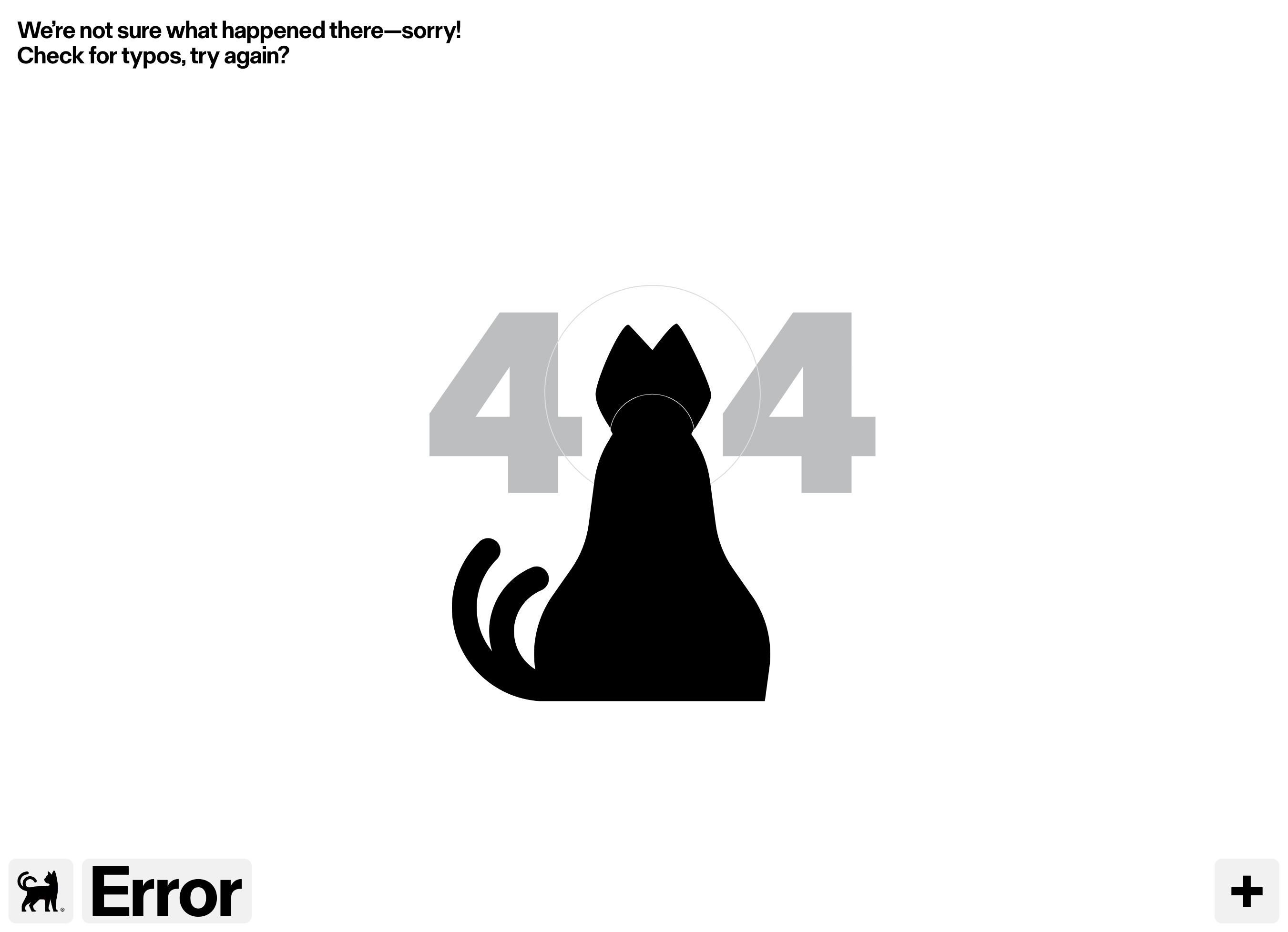
Creative 404 error page
©️ Anti Average - 2026
Some companies even turned their 404 pages into memorable experiences with interactive games, animations, or playful illustrations. An error page became part of a website's personality instead of a forgotten corner of its infrastructure.
The Disappearance
Ironically, modern web development has made the classic 404 page less visible. Single-page applications, client-side routing, and modern frameworks often intercept missing routes before a traditional error page is ever shown. Sometimes users are redirected automatically; sometimes they see a custom fallback that barely resembles the original.
The 404 status code is still a big part of HTTP, but the page itself is slowly disappearing. What was once one of the web's most recognisable interfaces is becoming just another implementation detail hidden beneath modern frameworks.