
Bitterness is a divisive flavour; many people hate it, many love it. This is entirely natural and, in fact, has a biological origin. I’d like to invite you to look at bitterness from a new perspective, as I believe it beats sweetness in many respects; but before you jump to the conclusion that I’ve lost my mind, let’s take a look at the origins of bitterness.
The Warning Sign
Most kids tend to reject bitterness almost universally, and it’s not pickiness, it’s biology. For us, bitterness can act as a warning sign for potentially harmful substances.
Many plants produce bitter compounds as part of their natural defence mechanisms, which the plant has developed as a ‘chemical weapon’ against predators; this has proved to be an evolutionary advantage for them. Typical examples include caffeine, which protects the coffee plant from insects, nicotine in the tobacco plant, cucurbitacins as a defence substance in cucumbers, pumpkins, and courgettes, and quinine, which protects the bark of the cinchona tree, a substance we recognise from tonic water.
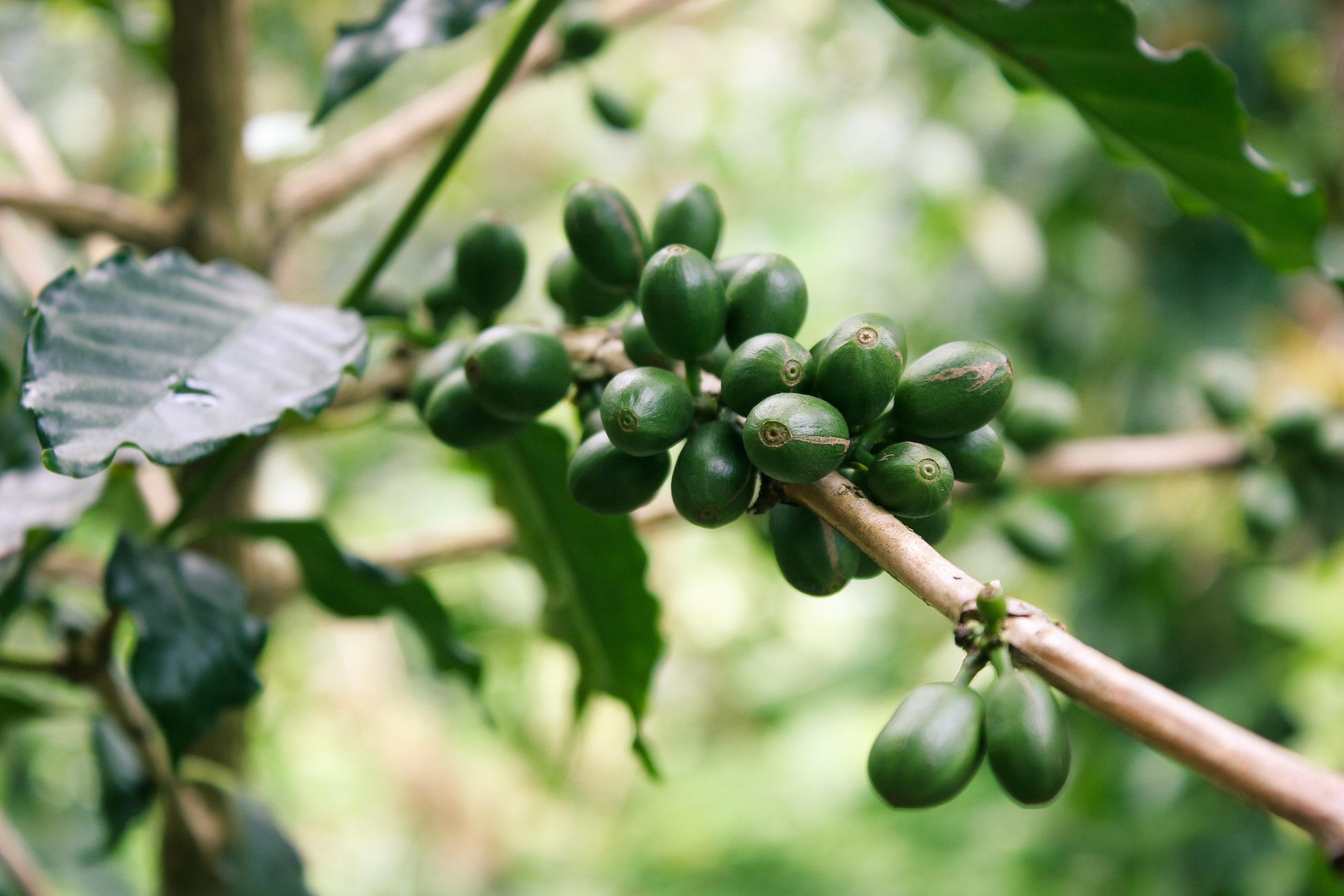
Coffee leaves
©️ Henry Vu - 2017
Why Do We Taste Bitterness?
The fact that these substances taste ‘bitter’ is not a characteristic of the plant itself, but a reaction of our body. As soon as a bitter substance from the plant comes into contact with one of our 2,000–4,000 taste buds, the body sounds the alarm. It immediately sends a signal to the brain: ‘Watch out, this could be poisonous – you’d better spit it out’. Our mouth is therefore a hypersensitive alarm system for detecting danger.
And yet we voluntarily override this alarm: whether it’s our morning coffee, a cold beer in the evening, or dark chocolate; we have learnt to love bitterness not as a danger but as a pleasure.
Learning to Enjoy It
So how do we outwit our own alarm system? After all, most children instinctively dislike bitter foods. As adults, we come to love them thanks to two simple tricks our brain plays on us:
What’s more, our sensitivity to taste decreases significantly as we get older. So becoming a coffee lover is, at least partly, a matter of practice.
Depth vs. Shallow Sweetness
For me personally, bitterness is one of the most fascinating flavours there is, whilst sweetness is often rather one-dimensional; it often just makes you want ‘more’. Bitterness brings enormous depth and complexity and pairs wonderfully with other flavour profiles.
Bitterness is like a contrast agent that really brings out the best in other flavours. Think of these combinations:
- The subtle tartness of dark chocolate, which perfectly balances the sweetness.
- The interplay of sweetness, roasted notes, and bitterness in a good espresso made from a dark roast, as well as its brighter counterpart in a light roast
- A gin and tonic or a Negroni, which, thanks to their bitter notes, are more refreshing than any sugary fizzy drink
All these bitter notes taste incredibly different. Bitter foods challenge our sense of taste, rather than simply numbing or overwhelming it. They don’t just make food pleasant; they make it interesting.